
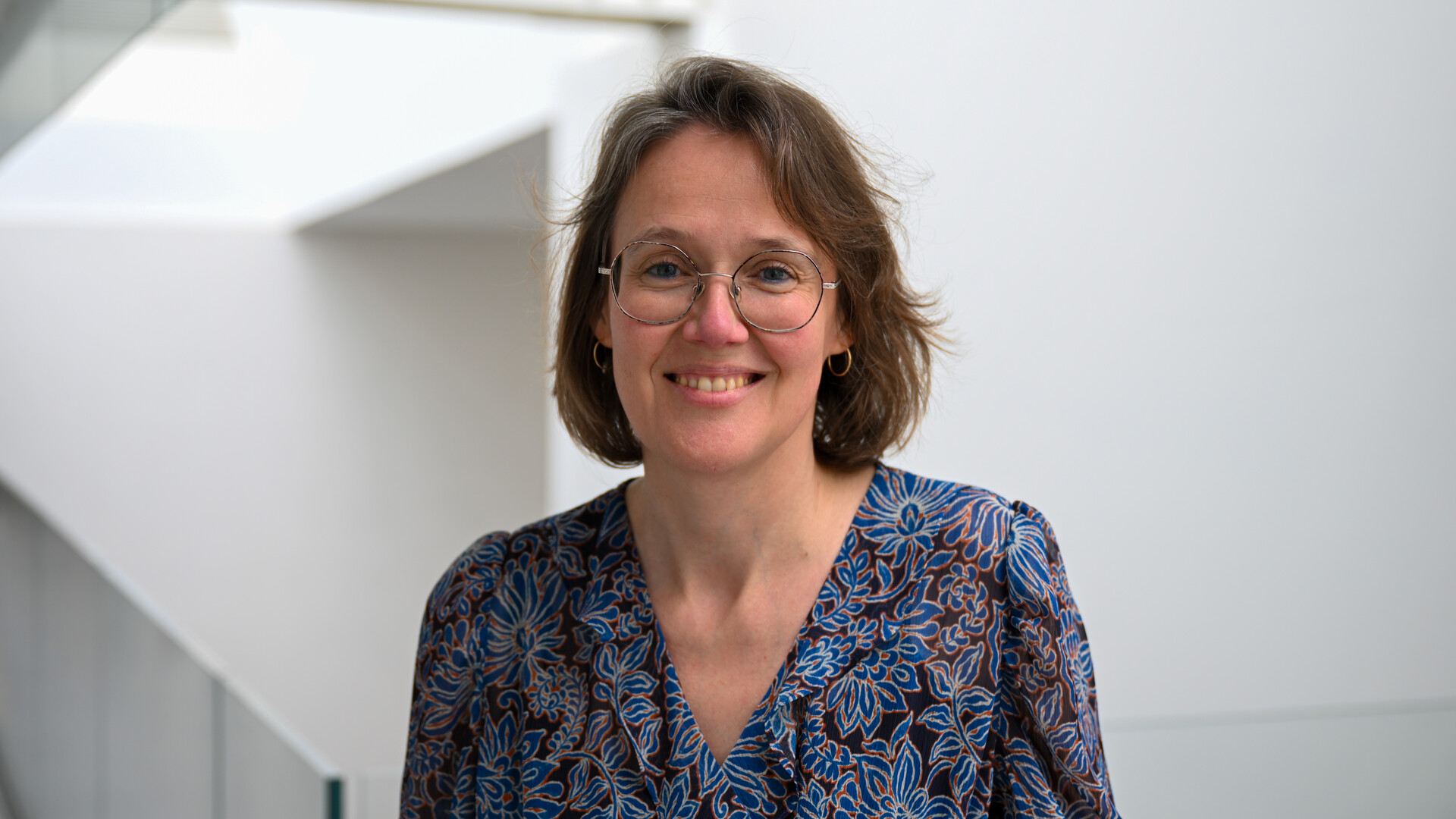
Emmanuelle Six’s research projects focus on deciphering the hierarchy of human haematopoiesis and on developing innovative therapeutic strategies for haematological diseases. She brings interdisciplinary expertise at the interface between clinical research, stem cell biology, high-dimensional single-cell analysis and statistical machine learning.
During her PhD at the Institut Pasteur, she gained expertise in cellular and molecular biology by studying the basis of the Notch signalling pathway. During her postdoctoral fellowship at Necker Hospital, she developed experience in human haematopoiesis through the identification of a key stage of human lymphopoiesis, and established a protocol for producing human T lymphoid progenitors using a recombinant Notch ligand, Delta4, which is currently used in a clinical trial aimed at accelerating T-cell reconstitution (NCT04707300).
Since 2009, she has been an Inserm research scientist in the Human Lymphohematopoiesis laboratory (Cavazzana and André laboratory), and since 2025 in the “Chromatin and gene regulation during development” laboratory (Miccio laboratory).
Since 2016, she has built a research group, in close collaboration with the CIC-Biotherapy department at Necker, dedicated to exploring human haematopoietic stem and progenitor cells (HSPCs) in the context of chronic inflammation and gene therapy trials. In particular, her projects include: (i) the application of screening methods to quantify an inflammatory score within a gene therapy trial for sickle cell disease (Drepamir, NCT07432867); (ii) the development of statistical modelling tools to identify the main inflammatory biomarkers in HSPCs from sickle cell patients, in order to design targeted and optimised anti-inflammatory therapies.
In parallel, she has developed new therapeutic approaches for the autoimmune IPEX syndrome, including: (i) a FOXP3 gene addition strategy targeting T lymphocytes for the treatment of IPEX (Theripex, EUCT 2025-523305-15-00); (ii) new genome editing approaches for IPEX syndrome. Taken together, these lines of research form the foundation for developing personalised therapeutic strategies for haematological diseases.